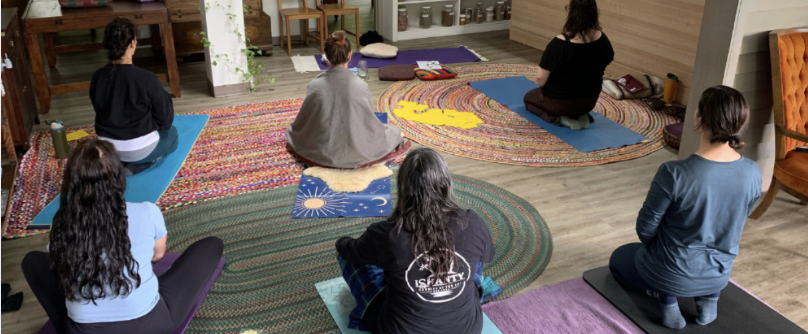
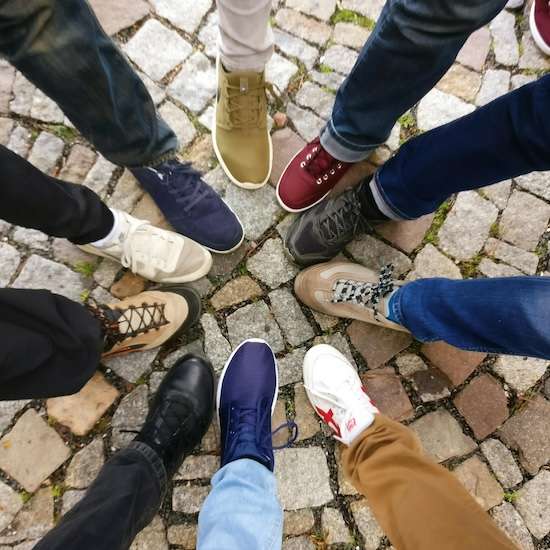
Community plays a vital role in the healing journey of trauma survivors. Trauma often leads to isolation and a profound sense of disconnection, making recovery an immense challenge. For those who experienced childhood trauma and neglect, people simply are not safe. In this context, what might it look like to find healing in community?
Empathy and mutual understanding are the cornerstones of a healing community. When survivors are met with genuine listening and acceptance, shame and secrecy begin to dissolve. When we are seen, we are soothed. That soothing or co-regulation leads to a sense of safety and security. Support groups, faith communities, and cultural organizations foster environments where suffering is normalized, resilience is celebrated, and members can draw strength from each other’s experiences.
Trauma survivors avoid community for several reasons. They might fear judgment or not being understood, which can make them feel even more isolated. Trust issues are common, as past experiences may have taught them that people can be unreliable or harmful. Additionally, the overwhelming emotions and memories associated with trauma can make social interactions exhausting and stressful. Survivors might also worry about being a burden to others or facing stigma related to their trauma. These factors can lead them to withdraw from community support, even though it could be beneficial for their healing.
When I collaborate with my clients in their recovery process, I often invite them to consider 10% solutions related to community. While it might feel overwhelming to join a support group or begin a class in watercolor painting, perhaps it feels less overwhelming to go to a local coffee shop and sit at a table with others nearby. The next time you visit that same coffee shop, say hello to the barista or others at a nearby table. Or maybe you attend a farmers market and spend time interacting with a few vendors. Volunteering with a group for a one time project is another idea. Small steps matter. The goal is to start with an experience that may be challenging but not overwhelming. Distressful and not dangerous.
Community is just one part of trauma recovery that comes after a person has experienced safety and stabilization. But it helps build resilience – turning isolation into a sense of belonging and despair into hope. Within a supportive community, trauma survivors can find the chance to heal and the incredible strength that comes from shared compassion. As the saying goes, “people are hurt in relationship and healed in relationship”.
As a licensed professional counselor in Oregon and Arizona, Jody offers individual therapy using a variety of evidence-based, trauma informed modalities. If you are interested in working with Jody, you can contact her through her website, takingrootcounseling.com.