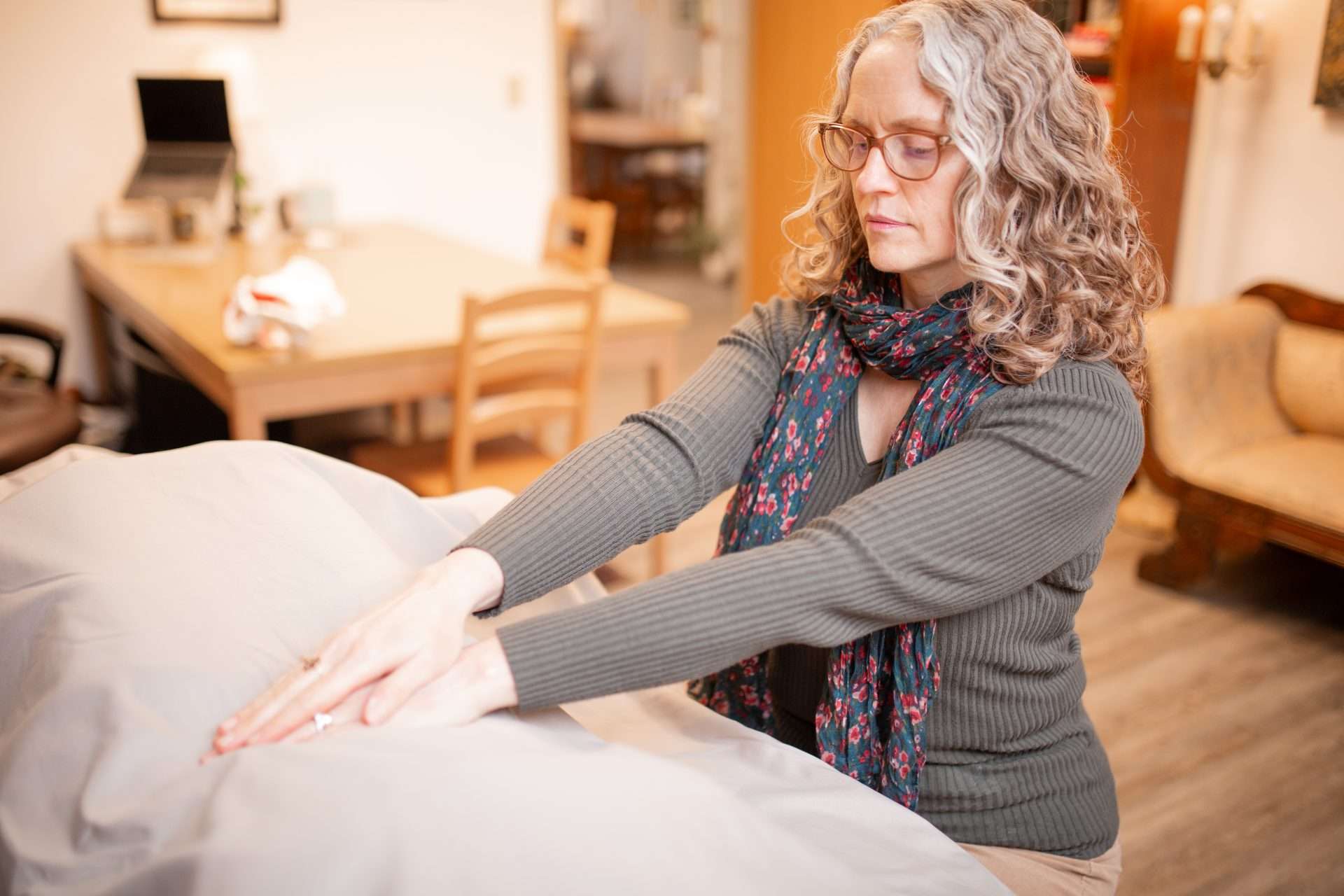

Written by Jen Owen, our Nurse Practitioner at The Flourish Center in Portland, OR
I hear this story often in my practice.
You’ve been told everything looks “normal.” Your labs are fine. Imaging doesn’t show anything concerning. Maybe you’ve even been told, “It’s just stress” or “We can’t find anything wrong.”
And yet… the pain is still there.
Pelvic pain that no one can explain is more common than people realize—and incredibly frustrating. But here’s what many conventional approaches miss: Just because nothing obvious shows up on testing doesn’t mean nothing is wrong. It often means the root cause hasn’t been fully explored.
The Pelvic Area Is More Complex Than You Think
When I evaluate pelvic pain, I’m not just looking at one structure. The pelvic region is an intricate system that includes:
– Muscles (pelvic floor, hips, core)
– Organs (bladder, uterus, bowels)
– Hormones
– Nerves
– Emotional and neurological patterns
When something is off, it doesn’t always show up as a clear diagnosis. Instead, it can present as:
– Chronic pelvic pain
– Pain with intercourse
– Menstrual irregularities
– Low back or hip pain
– Pressure, heaviness, or general discomfort
These symptoms are real—and more often than not, they’re deeply interconnected.
Why Pelvic Pain Gets Missed
In conventional medicine, the focus is often on isolated symptoms or structural findings. But in my experience, many cases of pelvic pain are driven by patterns of tension, imbalance, and disconnection within the body.
I commonly see things like:
– Tight or dysfunctional pelvic floor muscles
– Unresolved postpartum or surgical trauma
– Chronic stress that the body is physically holding onto
– Imbalances between the core, hips, and pelvic muscles
These issues don’t always show up on imaging—but they can absolutely be the source of ongoing pain.
Your Body Holds More Than Just Physical Tension
One of the most overlooked aspects of pelvic pain is how the body stores experiences—not just physically, but emotionally and neurologically.
The pelvic area is especially connected to:
– Your stress and safety response
– Hormonal shifts
– Life experiences like childbirth, loss, or trauma
When these experiences aren’t fully processed, I often see them show up as chronic tension or pain patterns in the pelvic region.
My Approach: Holistic Pelvic Care™
At The Flourish Center, I take a different approach. Instead of asking, “What diagnosis fits this?” I ask, “What is your body trying to communicate?”
Holistic Pelvic Care™ was created by women’s health PT, Tami Lynn Kent. The Holistic Pelvic Care™ approach is gentle, integrative, and focused on restoring balance within the body while addressing the root causes of discomfort—not just the symptoms.
This work may include:
– Gentle internal (intra-vaginal) bodywork
– Breathwork
– Visualization techniques
These tools help release tension, improve alignment, and reconnect you with your body in a deeper, more supportive way.
If you’re living with pelvic pain that no one can explain, I want you to know—you’re not alone, and you’re not out of options. Your pain is real. Your body is communicating. And there is a deeper explanation—we just have to look through a different lens.
If you’re ready to explore a more holistic, root-cause approach to pelvic health, I would love to support you. Learn more about Holistic Pelvic Care™ at the Flourish Center and schedule an appointment here!
If you don’t live in Oregon, find a Holistic Pelvic Care™ practitioner near you: https://www.wildfeminine.