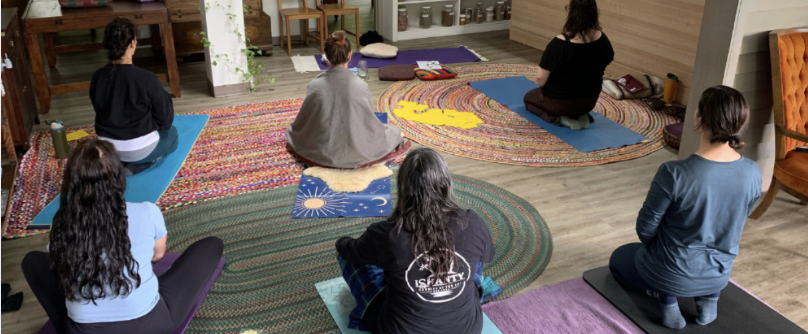

Social connection is one of the most powerful—and most overlooked—pillars of Lifestyle Medicine. Humans are wired for connection, and our relationships have a measurable impact on both physical and emotional health.
Strong social ties are associated with lower rates of depression, reduced inflammation, better cardiovascular health, and increased longevity. At the same time, loneliness and isolation are linked to higher rates of chronic disease and mortality.
Connection is not a “nice to have.” It’s a biological need.
The Health Impact of Connection and Isolation
Social isolation affects the body in ways that are similar to other chronic stressors. It can increase inflammation, disrupt sleep, and negatively affect immune function and mental health.
Many people experience loneliness even when they are surrounded by others. This pillar is not about the number of people in your life—it’s about the quality, safety, and authenticity of your connections.
Feeling seen, supported, and understood matters.
Relationships as a Source of Regulation
Supportive relationships help regulate the nervous system. Feeling connected can reduce stress hormones, improve emotional resilience, and increase the body’s capacity to cope with challenges.
Healthy connection allows people to share burdens, process emotions, and experience joy—things that are essential for wellbeing but often deprioritized in busy lives.
This pillar supports healing not by fixing anything, but by reminding the body it is not alone.
Community and Belonging
Beyond close relationships, a sense of community and belonging plays an important role in health. This might come from family, friendships, work, shared values, spiritual communities, or groups centered around common interests.
Belonging helps people feel anchored. It provides meaning, accountability, and emotional safety—especially during times of stress or transition.
Lifestyle Medicine recognizes that health is shaped not only by individual choices, but by the environments and communities we are part of.
Boundaries Matter Too
Social connection does not mean saying yes to every relationship or interaction. This pillar also includes learning to set boundaries that protect emotional and physical energy.
Some relationships may be draining or unsafe, and part of supporting this pillar is recognizing when distance or change is necessary.
Healthy connection is supportive, not depleting.
Rebuilding Connection Over Time
For many people, strengthening this pillar can feel challenging—especially after periods of isolation, illness, burnout, or major life changes.
Connection doesn’t have to be rebuilt all at once. Small, intentional steps—checking in with a trusted person, joining a group, or allowing yourself to be more open—can gradually restore a sense of belonging.
This pillar is about progress, not pressure.
Connection and Whole-Person Health
Social connection influences how people eat, move, sleep, manage stress, and care for themselves. Supportive relationships often make healthy changes easier and more sustainable.
When people feel connected, they are more likely to stay engaged in their health and more resilient when challenges arise.
That’s the role of social connection as a pillar of Lifestyle Medicine—supporting health through relationship, belonging, and shared humanity.
Explore this site to find my Lifestyle Medicine programs.